Source Aseptic Laminated Beverage Paper Box for Juice, Milk, Dairy
Compare 15 listings for aseptic laminated beverage paper box options from Chinese manufacturers. Buyers can evaluate sizes from 100ml to 1L, layer structures, and customization features for juice, milk, and dairy applications; compare the available evidence and request quotations based on your requirements.
Key considerations
Products List




Comprehensive Sourcing Guide
Aseptic Laminated Beverage Paper Box Sourcing Guide
Procuring aseptic laminated beverage paper boxes requires a strategic approach that balances material integrity with supply chain reliability. These packaging solutions are engineered to extend shelf life without refrigeration, making them critical for juice, milk, and dairy products. Buyers must prioritize suppliers who demonstrate consistent quality in multi-layer structures, ensuring that the barrier properties remain intact throughout the product's lifecycle. The complexity of the lamination process demands rigorous oversight to prevent delamination or contamination, which can compromise product safety and brand reputation.
The sourcing landscape is characterized by a wide range of capacities and customization options, from standard sizes to bespoke designs. Observations indicate that manufacturers often offer flexible printing capabilities, including letterpress and flexo methods, allowing for up to eight colors to enhance shelf appeal. However, the high minimum order quantities typical in this sector necessitate careful inventory planning. Buyers should align their procurement volumes with production schedules to avoid excess stock while ensuring continuous supply, leveraging the available customization features to meet specific market demands effectively.
Product Scope and Observed Listing Signals
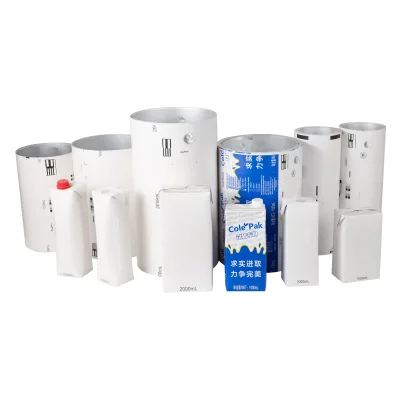
The market for aseptic paper boxes encompasses a variety of sizes, ranging from small 100ml portions to larger 1L and 2L containers. Listings frequently highlight specific models such as Heli01, which are designed for rigid, opaque applications suitable for food and beverage industries. The structural composition typically involves a paper-aluminium foil-polyethylene laminate, providing essential protection against light, oxygen, and moisture. Buyers should verify that the observed product attributes, such as the 6-layer structure or specific bottom sizes like 70*70mm, align with their filling machinery requirements to ensure seamless integration.
Customization is a key differentiator in this category, with many suppliers accepting custom orders for logos and packaging designs. The availability of flat bag packaging and palletized shipping options indicates a mature logistics infrastructure capable of handling large volumes. However, buyers must distinguish between general product descriptions and specific technical capabilities. For instance, while some listings mention single-sided printing, others offer two-sided options, which can impact design flexibility. It is crucial to confirm the exact printing methods and color limits, such as the 1-7 color range, to ensure the final packaging meets aesthetic and branding standards.
Technical Specifications to Verify
The structural integrity of aseptic boxes relies on precise layering, often combining paper, aluminium foil, and polyethylene (LDPE) for heat sealing. Buyers must verify the hardness and transparency characteristics, as rigid and opaque materials are standard for protecting light-sensitive beverages like milk and juice. The functional layers, particularly the aluminium barrier, are critical for maintaining sterility and preventing spoilage. It is essential to confirm that the specified materials meet food-grade standards and that the heat sealing process ensures a hermetic seal, preventing any leakage or contamination during storage and transport.
Dimensions and capacity are vital for matching packaging with filling equipment. Standard sizes include 125ml, 200ml, 250ml, 500ml, and 1000ml, with some suppliers offering widths between 600-1000mm for roll stock. Buyers should also check specific component sizes, such as cap sizes of 26/29mm, if applicable to their product line. The model numbers, such as 200mlS, often correspond to specific machine compatibility. Verifying these technical details with the supplier is necessary to avoid production delays or equipment mismatches, ensuring that the packaging fits seamlessly into existing manufacturing lines.
Compliance and Safety Documentation
Food safety is paramount when sourcing aseptic packaging, requiring suppliers to provide comprehensive documentation that verifies material safety. Buyers should request certificates confirming that the paper, aluminium, and polyethylene layers are compliant with relevant food contact regulations. This includes ensuring that inks and adhesives used in printing do not migrate into the product, maintaining the integrity of the beverage. Documentation should also cover the sterilization processes used in manufacturing, ensuring that the final product is free from microbial contamination before filling.
Transparency in supply chain practices is equally important, with buyers needing to verify the origin of raw materials. Many suppliers are located in regions like Qingzhou City or Anhui in China, but buyers should confirm that all components meet international safety standards. It is advisable to ask for test reports on barrier properties and migration levels, although specific values should be verified directly with the supplier. Ensuring that the packaging meets both local and international regulatory requirements helps mitigate legal risks and protects consumer health, fostering trust in the brand.
Cost Drivers and Commercial Terms
The cost of aseptic paper boxes is influenced by several factors, including material prices, order volume, and customization complexity. Minimum order quantities (MOQ) can be substantial, often starting at 300,000 pieces, which impacts cash flow and inventory management. Buyers should negotiate flexible terms where possible, considering the high MOQs as a barrier to entry for smaller batches. Understanding the price terms, such as FOB (Free on Board), is crucial for calculating total landed costs, including shipping and insurance, which can vary significantly based on destination and logistics partners.
Delivery times and payment terms also play a significant role in the overall cost structure. Typical delivery times range from 20 to 25 days, requiring accurate forecasting to avoid stockouts. Payment methods like TT (Telegraphic Transfer) are common, but buyers should negotiate favorable terms to manage working capital effectively. Additionally, the choice of packing, whether in flat bags or on pallets, can affect handling costs and storage efficiency. Buyers should evaluate these commercial terms holistically, considering not just the unit price but the total cost of ownership, including logistics and inventory holding costs.
Supplier Qualification and Quality Control
Selecting a reliable supplier involves assessing their production capabilities and quality control systems. Buyers should verify the supplier's experience in manufacturing aseptic packaging, looking for evidence of consistent output and adherence to specifications. Quality control measures should include regular inspections of material layers, printing accuracy, and seal integrity. It is advisable to request samples for testing before placing large orders, ensuring that the product meets all technical and aesthetic requirements. Suppliers who accept custom orders should demonstrate flexibility and responsiveness to design changes.
Long-term partnerships are built on trust and reliability, so buyers should evaluate the supplier's ability to meet deadlines and maintain consistent quality. Communication channels should be open and efficient, allowing for quick resolution of any issues that arise during production or delivery. Buyers should also consider the supplier's capacity to scale production up or down based on market demand. Establishing clear quality benchmarks and regular review processes helps maintain high standards and ensures that the supplier remains aligned with the buyer's expectations and business goals.
Long-Term Procurement Checks
Sustainable sourcing is becoming increasingly important, with buyers looking for suppliers who prioritize environmental responsibility. This includes using recyclable materials and minimizing waste during production. Buyers should inquire about the supplier's sustainability initiatives, such as the use of FSC-certified paper or energy-efficient manufacturing processes. Aligning with suppliers who share these values can enhance brand reputation and meet the growing consumer demand for eco-friendly packaging solutions. It is also important to consider the end-of-life options for the packaging, ensuring that it can be properly disposed of or recycled.
Continuous improvement and innovation are key to staying competitive in the packaging industry. Buyers should encourage suppliers to invest in research and development to create new materials and designs that offer better performance or cost efficiency. Regularly reviewing supplier performance against established KPIs helps identify areas for improvement and ensures that the partnership remains beneficial for both parties. By fostering a collaborative relationship, buyers can leverage the supplier's expertise to drive innovation and maintain a competitive edge in the market, ensuring long-term success and resilience.
FAQs
What is the standard size range for this aseptic juice box?
The product is available in multiple standard sizes including 100ml, 125ml, 200ml, 250ml, 500ml, 1L, and 2L. These dimensions cater to various beverage and dairy packaging needs while maintaining structural integrity for aseptic storage and transport.
Can I customize the printing colors on the paper box?
Yes, customization is available with a maximum of eight printing colors. The printing methods include letterpress and flexo printing, allowing for detailed branding on the opaque paper-aluminum foil-PE structure suitable for food industry applications.
What is the minimum order quantity for these paper cartons?
The minimum order quantity is 300,000 pieces for this specific model. Buyers should note that observed listings show a broader MOQ range from 1 to 600,000, but the standard requirement for this product is fixed at the higher threshold.
How long does it take to deliver the ordered cartons?
The delivery time is typically 20 to 25 days after order confirmation. This lead time applies to the production and shipping of the rigid, layered paper boxes originating from Qingzhou City or Anhui, China, depending on the specific supplier.
Which materials are used to construct the aseptic packaging?
The packaging is constructed from a six-layer structure consisting of paper, aluminum foil, and polyethylene. This composition ensures a functional barrier layer for aseptic preservation, making it ideal for juice, milk, and other daily use beverages.
What payment terms are accepted for bulk orders?
The accepted payment term is Telegraphic Transfer, commonly known as TT. This financial arrangement is standard for international trade involving these paper cartons, ensuring secure transactions between buyers and manufacturers in China under FOB price terms.